The Vitreous Reflection
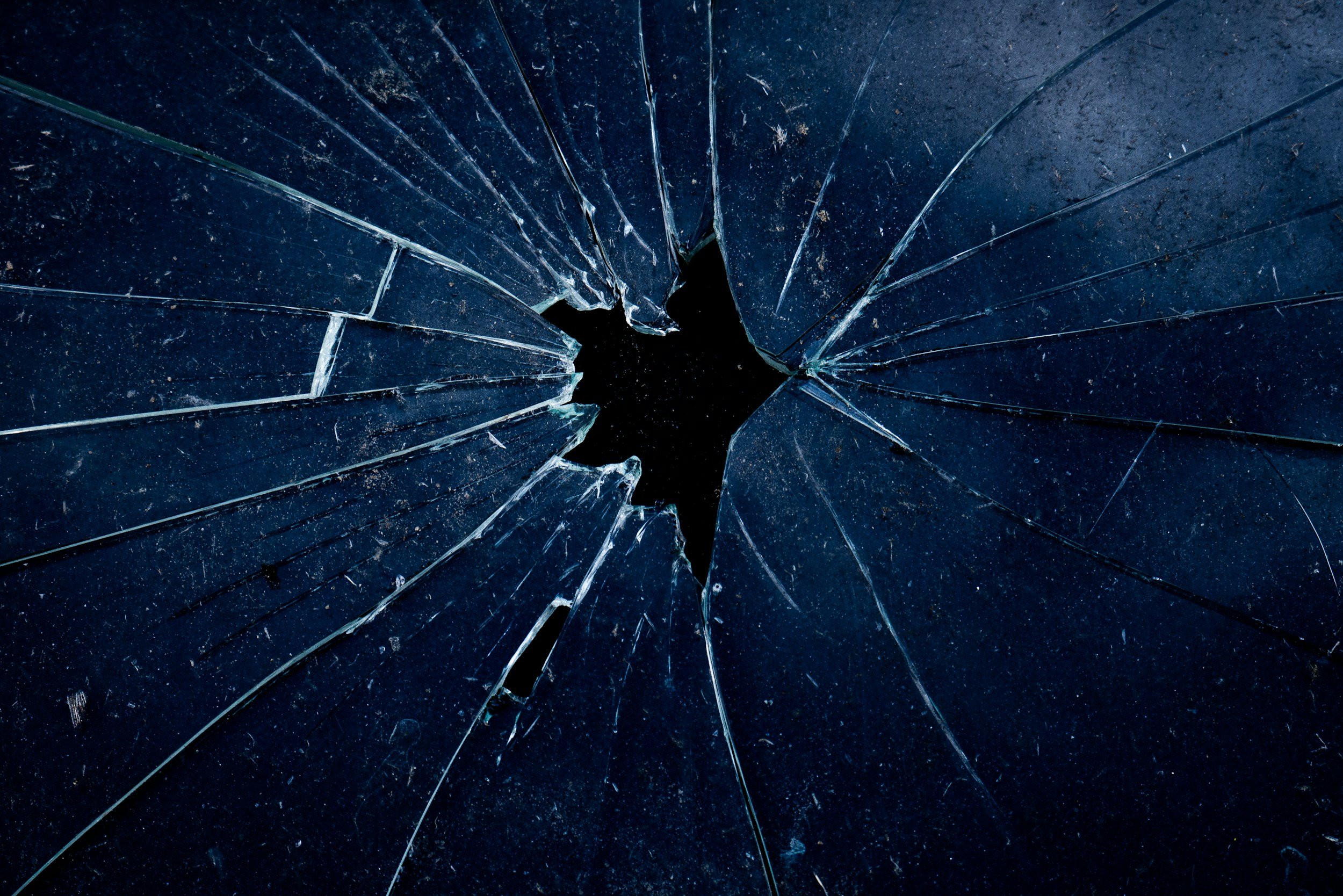
For this month’s Words to Write By, we are leaning into the chemistry of the everyday. We are turning our gaze toward a material that is simultaneously invisible and impenetrable: glass. This exercise is inspired by the concept of "material poetics," a practice where a writer obsesses over a single physical substance until its metaphorical skin begins to peel back. We are looking toward the tradition of the "Object Poem" or the "Material Essay," much like the works of Francis Ponge, who found the entire universe hidden inside a simple piece of soap or a crate. Glass is a unique subject for this; it is born of fire and sand, it can distort or clarify, and it is defined by its ability to hold something else.
To begin this exploration, we’re going to perform a "Linguistic Refraction." On a fresh page in your journal, write the word GLASS in the center. Surrounding it, I want you to collect at least ten idiomatic "shards"—phrases, objects, or expressions that rely on this material to function. Think of the spectrum of its utility: the ticking anxiety of the hourglass, the clinical clarity of eyeglasses, the fragile optimism of the glass half full, or the frozen stillness of a lake that is smooth as glass. Don't just list them; think about the physics of each one. A magnifying glass concentrates heat; a glass slipper is a beautiful trap; a glass of water is a fundamental mercy.
Once you have your collection of shards, select the one that feels the most "jagged" to you—the one that causes a bit of friction in your mind. We are going to put this phrase under a metaphorical microscope. In a separate section of your notes, answer three "Structural Questions" about your chosen glass object or expression: What is its breaking point? (Does it shatter into dust, or crack into sharp, dangerous lines?) What does it reveal or hide? (Does it act as a lens to see the truth, or a barrier to keep the world at arm's length?) Who is on the other side? (Is someone looking through it, drinking from it, or waiting for it to empty?)
Now, use these notes as the scaffolding for a new composition. This exercise is an invitation to play with the duality of the material. If you are writing a story, perhaps the magnifying glass isn't a tool for a detective, but a symbol of a character's crushing self-scrutiny. If you are writing a poem about a glassy-eyed look, focus on the coldness of that surface versus the warmth of the life behind it. Let the properties of glass—its transparency, its fragility, its sharp edges—dictate the rhythm of your sentences. If the glass is breaking in your story, let the prose become fragmented and sharp.
As you write, consider the "energy of the transparent." There is a deep narrative tension in things that are seen but cannot be touched. Why does this material resonate with you right now? Are you feeling as clear as a windowpane, or as precarious as a crystal vase on the edge of a shelf? Use this prompt to explore the boundaries we put between ourselves and the world. When you are finished, you will have a draft that feels both delicate and enduring, a piece of writing that—much like glass itself—is formed under the heat of your own creative pressure.
How does the light change when you look at your story through this specific lens?