The Archive of After
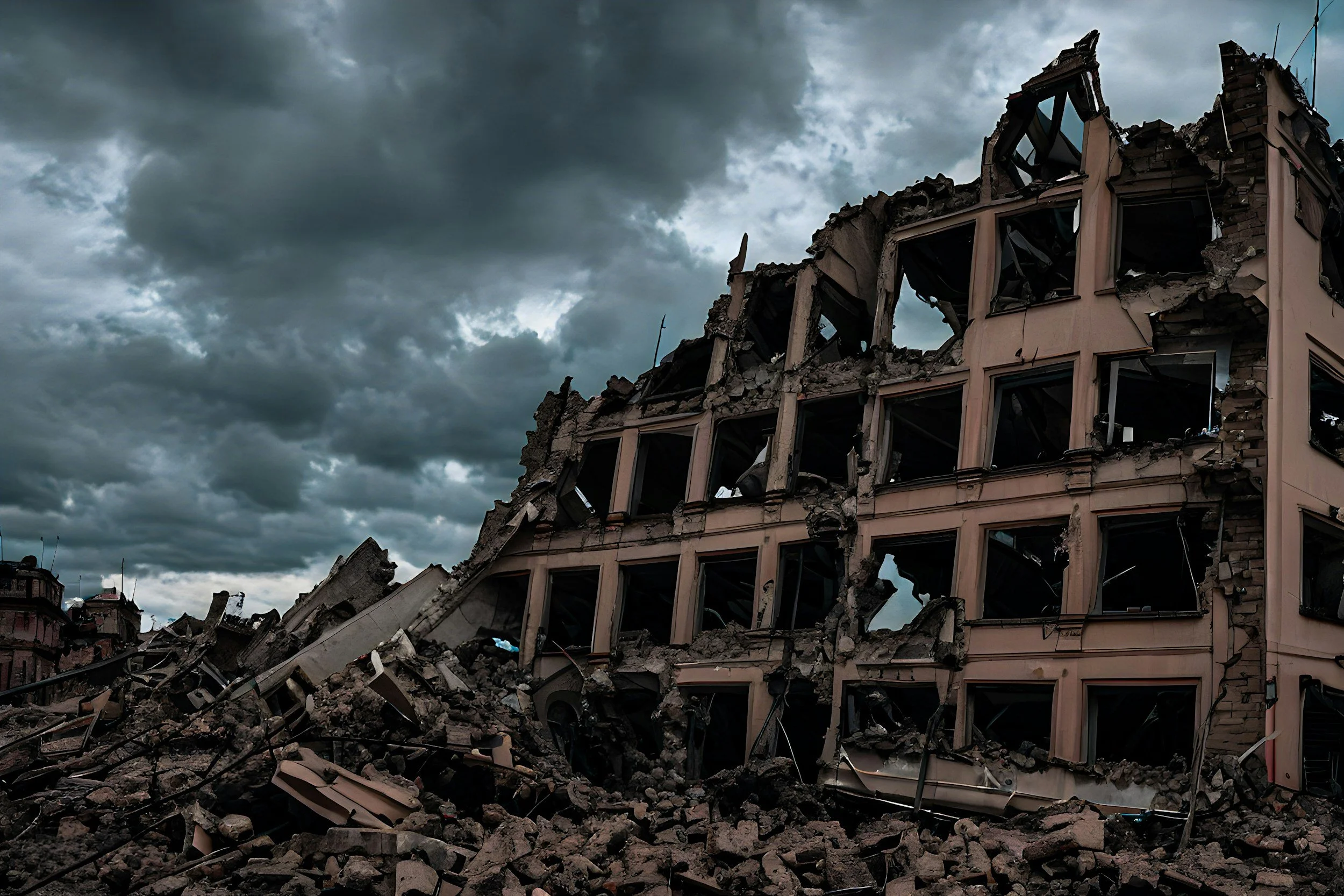
For this month’s Words to Write By, we are shifting our focus toward the architecture of the end—not as a spectacle of destruction, but as a quiet, transformative threshold. This exercise is deeply inspired by the concept of "The Last Museum," a recurring theme in post-apocalyptic literature where the mundane objects of our current lives are suddenly imbued with the weight of relics. We are drawing specifically from the atmosphere of Station Eleven by Emily St. John Mandel, where the "magic" of the old world is preserved through memory and salvaged artifacts. Today, we will be writing a scene that captures the exact moment the "before" officially becomes the "after."
This writing exercise follows a three-act emotional arc: the Last Normalcy, the Intruding Static, and the Final Preservation. To begin, I want you to identify a specific, mundane setting that represents the pinnacle of everyday comfort for you. This shouldn't be a grand monument; instead, choose somewhere like a late-night diner with sticky menus, a crowded laundromat humming with heat, or a quiet living room where a phone is plugged into a wall charger. Visualize the sensory details that anchor this place in the "now." Write down four or five precise observations: the specific song playing on a tinny speaker, the temperature of a half-empty coffee cup, or the way the light flickers in the hallway.
Once you have established your setting, we will introduce the "Intruding Static"—the signal that the apocalypse has arrived. In your scene, this shouldn't be a loud explosion or a cinematic monster. Instead, find a quiet, haunting way for the world to break. Perhaps the internet simply stops working and never comes back, or the birds in the trees suddenly fall silent all at once, or a character looks out the window and notices the horizon is a color that doesn't have a name. Write the reaction of your characters to this shift. Focus on the denial—the way we try to fix a broken world with old habits, like checking a dead phone one last time or trying to lock a door that no longer matters.
To close your scene, you will perform an act of "Final Preservation." Your character must choose one single object from the room to take with them into the unknown. This object should be something that was previously meaningless but has now become the most valuable thing they own. As you write this conclusion, consider the weight of this choice. What does this object represent about the world that is ending? Is it a photograph, a specific book, or perhaps something as simple as a heavy winter coat? End your scene by describing the character stepping out of the room and into the new silence.
The goal of this prompt is to explore the "apocalypse" not as an ending, but as a radical change in value. By focusing on the small scale, you allow the gravity of the event to settle in the cracks of the everyday. When you finish, you will have a draft that captures the haunting beauty of transition and a deeper understanding of what truly remains when everything else falls away. Give yourself twenty minutes to let the world end softly on the page.