The Architecture of Shadows
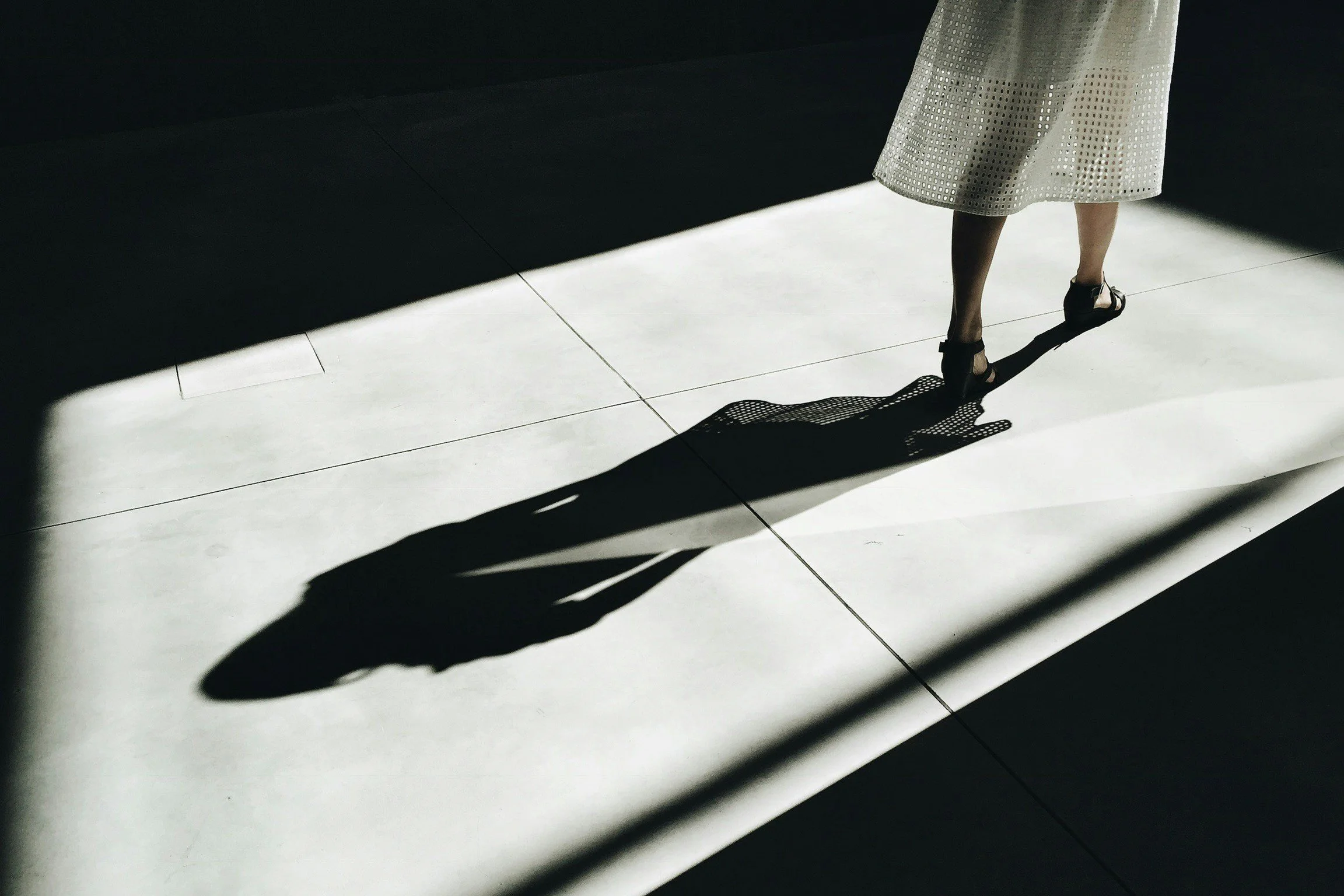
For this month’s installment of Words to Write By, we are drawing inspiration from the concept of the "Liminal Witness"—those figures in history and fiction who occupy the negative space of a room. We are looking toward the tradition of the stagehand, the fly on the wall, and the silent observer, much like the characters in Tom Stoppard’s Rosencrantz and Guildenstern Are Dead, who exist in the margins of a much larger, louder drama. This exercise is built on the prerequisite of having a preexisting scene—one you’ve already written that feels solid, grounded, and familiar to you.
To begin, select a scene from your own archives that features at least two characters in a moment of high tension, deep intimacy, or significant action. Reread this scene carefully. Pay close attention to the geography of the room: where the furniture sits, where the light hits the floor, and where the "dead space" is located. In your original draft, you likely focused on the protagonists—their dialogue, their heartbeats, their physical movements. Take a moment to appreciate the world you built, acknowledging that, until now, you believed these characters were the only ones present.
Now, I want you to introduce a ghost into the machinery of that scene. On a new page, define who this invisible observer is. They aren't literally a ghost; they are a person who, for reasons of status, stealth, or social invisibility, has been completely overlooked by the people in your original draft. Perhaps it is a servant standing perfectly still in the shadows, a child hiding under a heavy oak table, a technician behind a two-way mirror, or a jilted lover squeezed into a wardrobe. Give this observer a name and a specific physical sensation—a cramp in their leg, the smell of dust in their nostrils, or the ticking of a watch that feels deafeningly loud in the silence.
Once you have established your witness, rewrite the entire scene strictly through their eyes and ears. You must maintain the dialogue and major actions of your original draft, but they are now filtered through a perspective that is detached and restricted. This witness cannot interfere; they can only interpret. How does the "heroic" argument between your main characters look to someone worried about being caught? Does the romantic confession sound different when heard from inside a closet? Notice how the room's power dynamics shift when viewed by someone with no power at all.
As you write, focus on the details that the main characters missed. Maybe the protagonist’s hand was shaking behind their back while they gave that brave speech, or perhaps a glass of water was sweating onto an expensive rug. Let your invisible narrator obsess over these small, ignored realities. Spend at least twenty minutes inhabiting this cramped, quiet perspective. When you finish, you will find that your original scene has gained a new layer of depth, and you’ll have discovered that the most interesting story in the room is often the one being told by the person no one bothered to notice.