The Architect of the Thicket
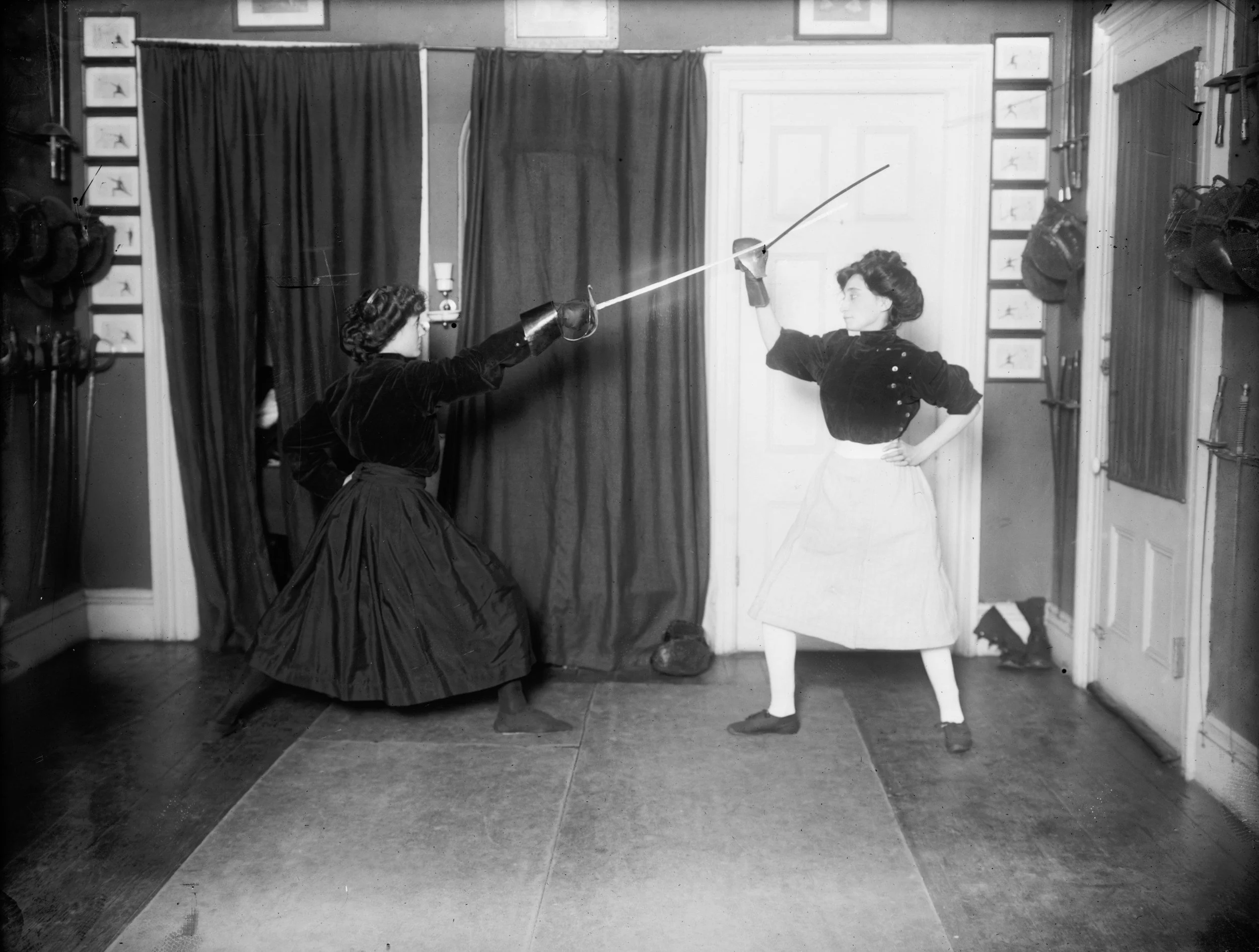
For this month’s installment of Words to Write By, we are venturing into the internal wilderness of the "Self-Censor." This exercise is inspired by the psychological concept of the "Shadow Self" and the narrative tradition of the Doppelgänger, much like the fractured, confrontational introspections found in the journals of Sylvia Plath or the surrealist dialogues of Virginia Woolf. We often treat our inner critic as a villain—a cold, stifling voice that exists only to dampen our creative fire. But what if that voice is actually a guardian whose methods have simply become outdated? Today, we are going to invite that critic out of the shadows for a formal meeting.
To begin this conjuration, I want you to set aside the "battle" you usually have with your insecurities. Instead, imagine a moment of quiet daydreaming where the veil between your conscious mind and your subconscious begins to thin. On a new page, I want you to conduct a "Physical Manifestation" of your worst inner critic. Do not simply describe a feeling; describe a person. What are they wearing? Do they have the weary look of a bureaucrat in a faded suit, the sharp eyes of a hawk, or perhaps they look like a younger, more frightened version of yourself? Give them a name—not your name, but an alias they’ve been using while hiding in your peripheral vision.
Once your critic has a physical form, we are going to engage in the "Great Revelation." On your page, create two columns. In the left column, list three of the most "Painful Perceptions" this voice has ever whispered to you—those sharp, jagged thoughts about your inadequacy, your "unmet" potential, or your failures. In the right column, I want you to allow your critic to speak their "Positive Lesson." This is the core of our exercise: recontextualizing a haunt into a help. For example, if the perception was "You are too sensitive," the critic’s revelation might be, "I made you sensitive so you could perceive the beauty others miss." If the perception was "You are a failure," the revelation might be, "I taught you to fail so that you would never be a slave to perfection."
Now, use this dialogue as the basis for a narrative scene. Write the encounter as it happens in your mind's eye. Describe the space where you meet—is it a sun-drenched garden, a sterile waiting room, or a crumbling library? Let the critic introduce themselves officially. Listen to their voice—is it a rasp, a whisper, or a boom? Write the moment where they finally explain why they’ve been so hard on you. The goal is to move past the initial sting of their criticism and find the "astonishing new understanding" that lies beneath. Discover the protective intent behind their cruelty.
As you write, pay close attention to the "Visual Dissolve." As the understanding between you and your critic grows, how does their appearance change? Do they become smaller, more human, or perhaps more luminous? Does the landscape of your daydream change color as the tension breaks? Use the prose to mirror this shift from a state of siege to a state of alliance. You aren't trying to "kill" the critic; you are trying to promote them to a new position—perhaps from Censor to Archivist.
When you finish, you will have a draft that functions as a peace treaty with your own mind. This exercise allows us to stop running from our internal judgments and instead turn them into fuel for self-discovery. By giving your critic a seat at the table, you may find that the voice you feared the most is actually the one that knows your strength best. What is the first thing your "new ally" suggests you write next?